Lo-Fi Production: The Techniques That Actually Work
How to make lo-fi beats that sound intentionally vintage, not just badly mixed.
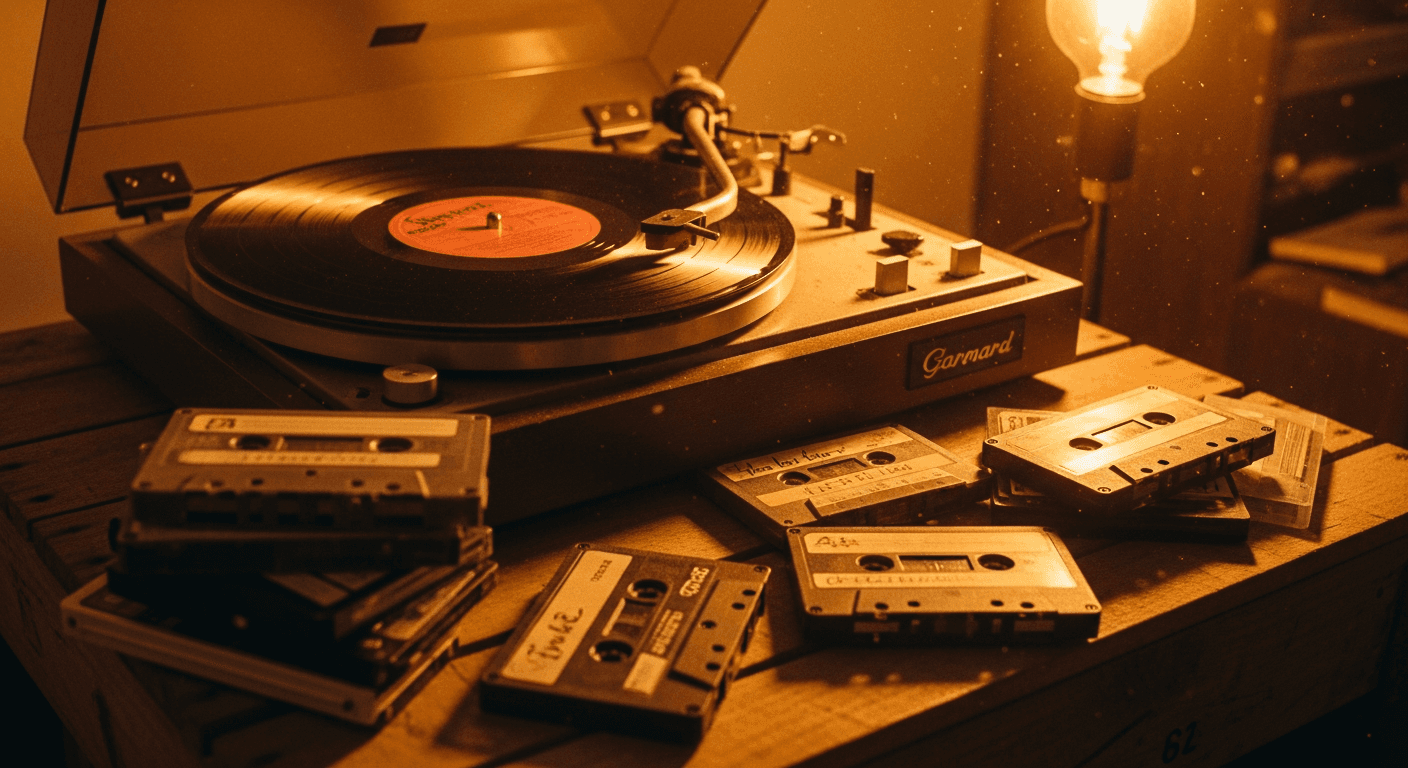
Lo-fi is an aesthetic, not an excuse for bad production. The best lo-fi tracks are carefully crafted to sound "imperfect" in very specific ways.
Here's how to actually do it.
Start Clean, Then Degrade
Counter-intuitive, but important: start with clean recordings and intentionally degrade them. It's much easier to add controlled "lo-fi" processing than to try to make a genuinely bad recording sound intentionally bad.
You want the imperfections to be choices, not accidents.
The Essential Lo-Fi Textures
Vinyl Crackle and Noise
That dusty vinyl sound. Don't just slap a preset on the master—layer it carefully.
- Use vinyl noise samples, not just white noise
- Filter it so it sits in the high-mids (2-6kHz)
- Automate the level—constant crackle gets annoying
- Duck it slightly under important elements
Tape Wobble
Real tape machines have slight pitch instability—"wow and flutter." This makes things feel alive and imperfect.
- Use a subtle chorus or pitch modulation (0.1-0.5 Hz rate, very low depth)
- Or a dedicated tape plugin with wow/flutter controls
- Don't overdo it—too much sounds like a broken tape deck, not vintage
Bit Reduction
Dropping bit depth adds digital grit. 12-bit sounds crusty. 8-bit sounds like an old sampler.
- 12-bit on drums is a classic lo-fi hip-hop sound
- Sample rate reduction adds aliasing—can be cool but gets harsh fast
- Use sparingly. A little goes a long way.
Filtering
Lo-fi isn't full-range. Roll off the highs, roll off the lows.
- High-pass around 60-80Hz (old speakers can't reproduce sub-bass)
- Low-pass around 8-12kHz (tape and vinyl naturally roll off highs)
- Gentle slopes feel more natural than brick walls
The Sidechain Pump
That pumping, breathing rhythm you hear in lo-fi? Usually sidechain compression to a ghost kick or the actual drums.
Settings:
- Fast attack (0-10ms)
- Medium release (100-200ms)
- Enough ratio to hear the pump (4:1 to 8:1)
- Duck 3-6dB on the beat
Apply to pads, samples, or the whole beat except drums.
Sampling Technique
If you're sampling (the classic approach):
- Sample from vinyl if you can—it already has that texture
- Pitch samples up or down—even a semitone changes the vibe
- Chop to add rhythm and variation
- Layer multiple samples for depth
If you're not sampling, play parts deliberately imperfect:
- Slightly behind the beat
- Vary velocity naturally
- Don't quantize everything—or quantize loosely (50-70%)
The Mix
Lo-fi mixes are usually:
- Mono-ish - Less wide stereo. Vintage playback was often mono.
- Mid-focused - Not a lot of sub-bass or air. Everything lives in the middle.
- Compressed - But not loudness-war compressed. More "glue" compression.
- Warm - Rolled-off highs, gentle saturation.
Avoid These Mistakes
Too much processing - If everything is lo-fi, nothing is lo-fi. Keep some elements cleaner for contrast.
Constant noise - Vinyl crackle that never changes is annoying. Automate it or use it sparingly.
Pitch wobble on everything - Makes the whole track feel seasick. Pick one or two elements to wobble.
Muddy low end - Lo-fi doesn't mean undefined bass. The kick and bass should still punch, just with less sub extension.
It's a Vibe, Not a Formula
The best lo-fi tracks feel effortless. Like someone just made a beat on old equipment and it happened to sound cool.
That effortlessness comes from practice and taste, not presets. Experiment. Break rules. Trust your ears.
If it sounds good and feels nostalgic, you're on the right track.
Related Articles
How to Use Reference Tracks: The Pro Mixing Secret
Reference tracks are how professionals avoid mix blindness. Learn to use them effectively without losing your own sound.
Delay Settings for Vocals: From Subtle to Dramatic
How to use delay on vocals without creating a muddy mess. Practical settings for slap, tempo-sync, and throw delays.
Volume Automation in Mixing: The Secret to Professional Mixes
Compression isn't enough. Learn how volume automation separates amateur mixes from professional ones.